Silicone vs. Acrylic vs. Polyurethane Roof Coatings: Choosing by Roof Conditions
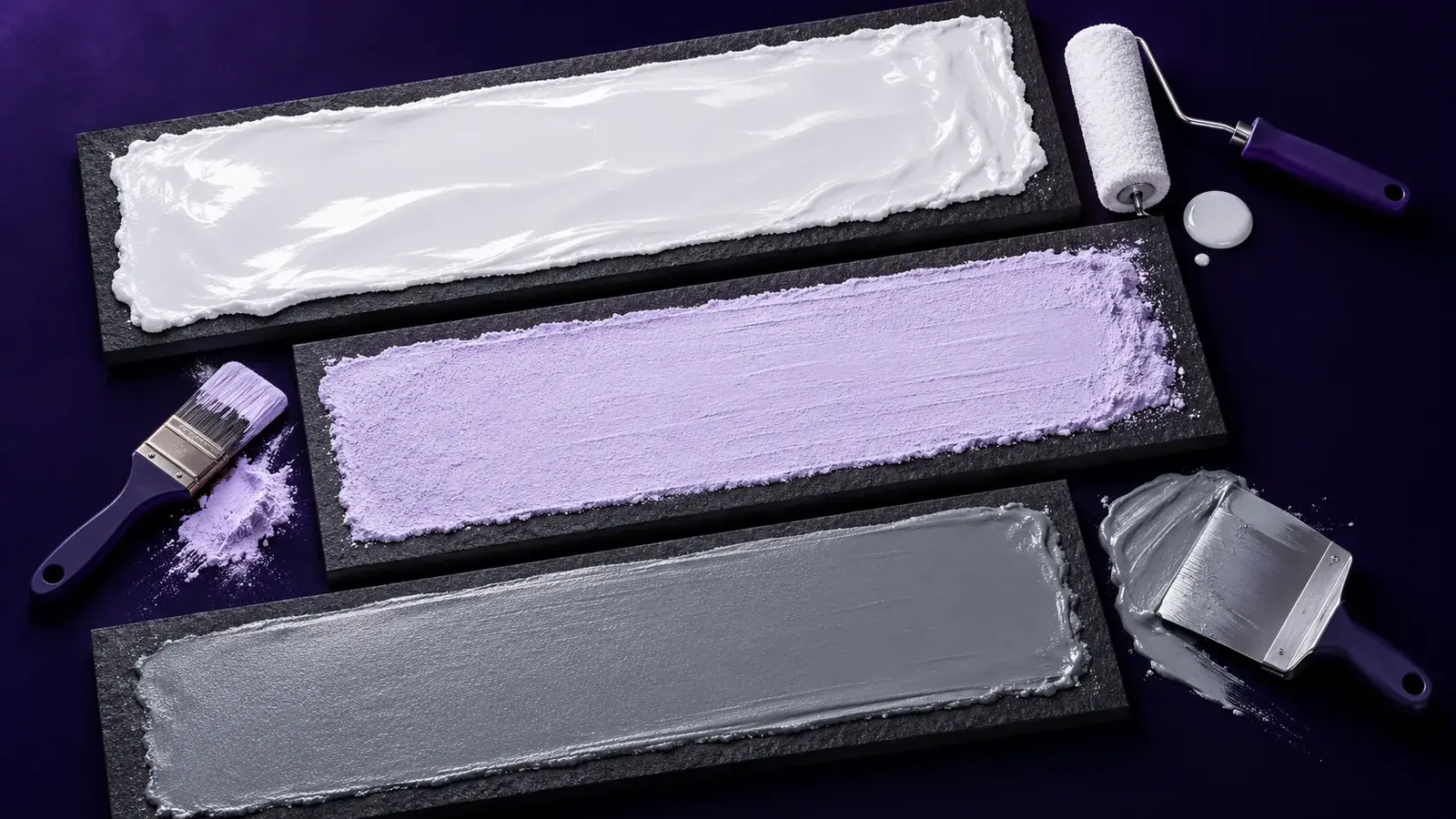
A warehouse owner may request “a white coating” as though reflectivity alone selects a roof-restoration system. The contractor then has to answer a less convenient question: what happens to that coating when water remains near a drain, technicians walk to rooftop HVAC units, or an old membrane reacts with the primer? A useful silicone vs acrylic vs polyurethane roof coating comparison starts with the existing assembly and its actual exposure.
First determine whether coating is appropriate
The existing CapXos coating-versus-replacement guide addresses whether restoration is a defensible option at all. This comparison begins one decision later: only after the underlying roof has been assessed as a possible coating candidate should chemistry, surface preparation, expected exposure and manufacturer-approved detailing decide which system enters the bid.
A coating can protect a sound, compatible roof surface, but it cannot make saturated insulation dry or restore a failing deck. Examine moisture investigation results, adhesion and surface condition, flashing, drainage, previous coatings and the roof manufacturer's instructions. If the owner is still deciding between restoration and replacement, the commercial roof coating versus replacement guide addresses that earlier decision. Chemistry selection comes afterward.
Two areas of the same roof may need different attention. The open field may be a coating candidate while a deteriorated curb requires rebuilding. Write the repair scope separately so the new coating is not blamed for an unresolved penetration.
Where silicone makes sense
Silicone products are often considered for low-slope roofs with recurring exposure to standing water. They typically offer strong ultraviolet resistance, but product-specific ponding provisions and warranty exclusions control. Silicone surfaces can collect dirt and become slippery when wet, which matters where facilities staff regularly service equipment. Future recoating may demand dedicated surface preparation and compatibility tests.
Ask for the precise product technical data sheet, approved substrate list, minimum dry-film thickness and detailing specification. “Silicone” describes a chemistry, not a universal permission to coat every roof.
Where acrylic is competitive
Acrylic systems are often attractive on sound roofs with reliable drainage, suitable application weather and a budget focused on reflective performance. They are generally water-based, so curing conditions and prolonged water exposure deserve attention. An acrylic system that performs well on a pitched metal roof may be a poor choice in a low spot that regularly stays wet.
For a metal building, assess corrosion, fasteners, laps and existing sealant before estimating coverage. If the substrate is dirty or unstable, adding gallons of coating does not substitute for preparation. Compatibility and weather windows must appear in the bid, not only in the installation crew's notes.
When polyurethane enters the shortlist
Polyurethane systems can offer useful abrasion and traffic resistance around maintenance routes and equipment. They may involve aromatic and aliphatic layers with different UV characteristics. As with the other chemistries, an approved complete system matters more than a generic description of “urethane.” A rooftop with frequent contractor access needs an explicit plan for traffic paths and any manufacturer-approved wear protection.
The roof's primary stress determines which evidence to ask for: standing-water exposure, chemical contamination, foot traffic, movement, substrate condition or weathering. Do not turn these into a simplistic winner-takes-all ranking.
Example: two areas, two different questions
Consider a 22,000-square-foot distribution roof. Area A is a well-drained open field; Area B surrounds HVAC units and experiences repeated foot traffic and occasional standing water. A quotation that specifies one coating for the entire area without noting these differences is incomplete. Before selecting chemistry, the contractor records water persistence, access patterns, wet-insulation findings, repair details and test patches for both areas.
The resulting recommendation may be a single approved system with additional detailing, separate local treatment, or no coating at all. The example is a decision workflow, not an assertion that any chemistry will work on this particular building.
Compare actual submittals, not generic promises
A purchasing sheet should record substrate compatibility, preparation, primer, reinforcement, coating rate, target dry-film thickness, cure window, ponding conditions, traffic requirements, surface warranty, workmanship obligations and future recoating restrictions. Request manufacturer approval where the assembly or prior coating history is uncertain. The commercial roof warranty guide helps organize the documents that should accompany that decision.
CapXos Inspect can associate photographs and dictated observations with individual roof sections, while Takeoff organizes measured areas and detail counts. Those free web tools can help define a restoration scope. They do not select chemistry, establish warranty eligibility or replace adhesion and moisture tests.
Before anyone signs a coating proposal
Ask for a written substrate assessment and a sample specification naming preparation, treatment of seams and cracks, reinforcement locations and whether the work affects an existing manufacturer guarantee. Include the warranty issuer's inspection and maintenance obligations. If the contractor wants to change coating chemistry midway through the project, require documented compatibility review rather than a verbal substitution. A product data sheet, project-specific approval and field test are stronger evidence than an attractive brochure.
Frequently asked questions
Is silicone always the best roof coating for ponding water?
No. Some silicone systems are designed for that exposure, but verify the specific product and its stated warranty conditions.
Is acrylic necessarily unsuitable for all flat roofs?
No. Drainage, existing roof condition, application conditions and manufacturer approval determine suitability.
Does polyurethane eliminate the need for walk pads?
Not automatically. Equipment access and approved traffic protection still need assessment.
Can a coating be applied over an unknown old coating?
Only after identification, compatibility review, surface preparation and any manufacturer-required adhesion testing.
What should contractors measure before pricing a coating?
Roof-section areas, transitions, penetrations, flashing repairs and any areas excluded because of wet or failed materials.