Finding Multi-Location Commercial Roofing Accounts Without Buying Lead Lists
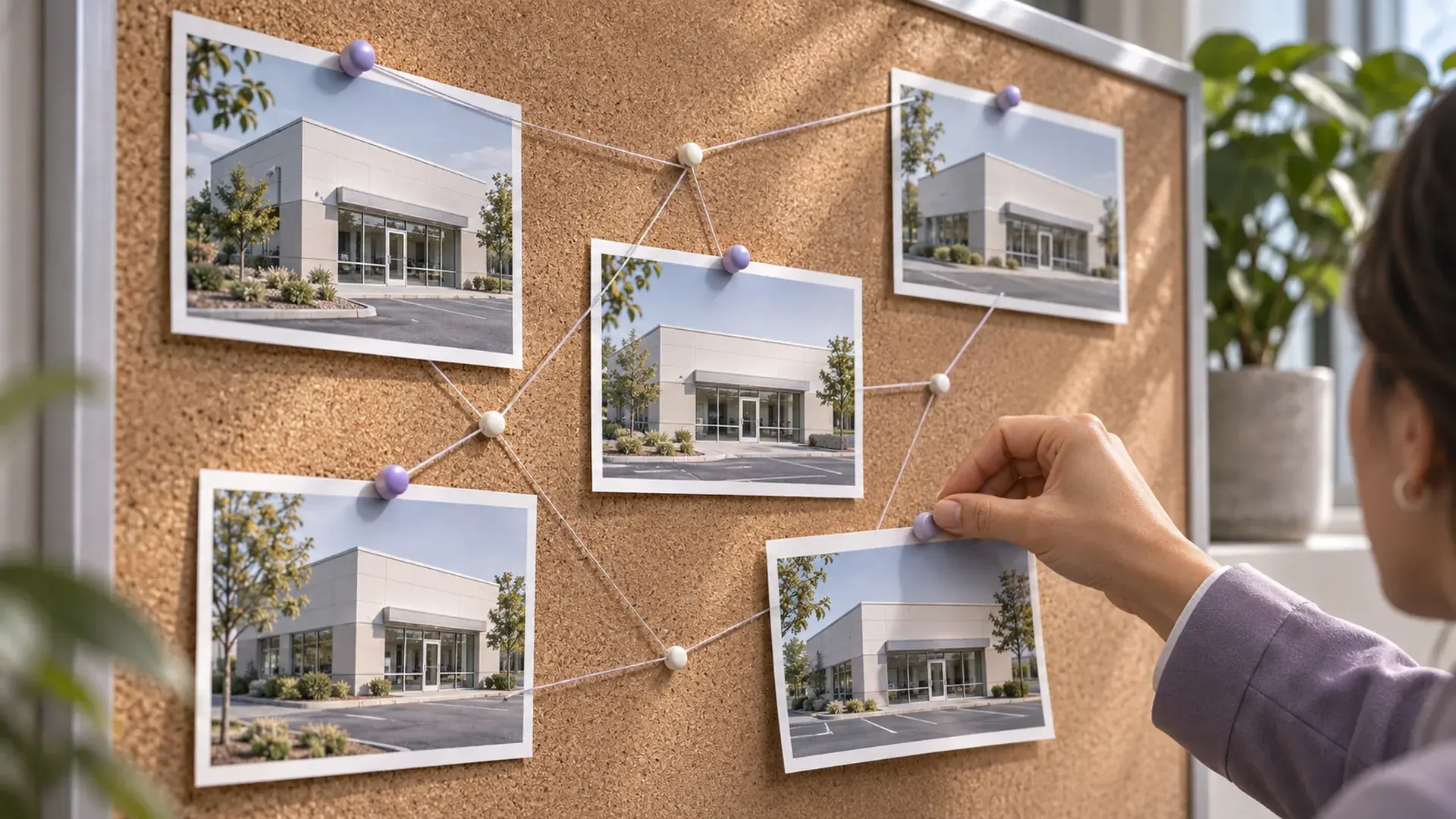
A business operating 40 locations can look like a strong commercial roofing account. It can also be a poor prospect if every site is leased, controlled by different landlords, or tied to a national maintenance provider. Multi location commercial roofing accounts are valuable when the contractor understands who owns each roof, how maintenance is procured and which regions the company can actually serve. A large store count by itself is not evidence of available work.
Find the buildings behind the brand
Retail chains, distribution operators, service companies and regional healthcare groups may use several property structures. Some own the land and roof, some lease single-tenant buildings and others operate inside multi-tenant developments. The name on the sign does not identify the party responsible for roof replacement. Research specific addresses and verify ownership or management arrangements before presenting a chain as one roofing account.
National account roofing services may be coordinated through centralized procurement, facilities call centers or regional managers. For a contractor with a limited footprint, the realistic opportunity may be to become an approved regional supplier, not to serve every property nationwide. List the locations that fit the crew's geography and capability before contacting headquarters. This makes the first discussion grounded in achievable coverage.
Review site-level roof history and operational fit
Buildings in the same chain may have been acquired at different times and built to different specifications. Use roof-permit records and available property details to distinguish sites that have recently had major work from those where maintenance questions may be more relevant. Confirm which roof systems the company services and whether local operating hours create scheduling restrictions. A restaurant roof, warehouse roof and single-story store may demand very different safety and work plans.
Use CapXos at https://capxos.com/ to research the actual buildings associated with a prospective chain account, rather than relying on the brand's store directory alone. The map and available records can narrow a practical pilot territory. Ownership, lease responsibilities and vendor approval still require independent confirmation. If the account permits visits, consistent field documentation can support a proposal for additional locations.
Identify the vendor path before sending proposals
Ask how the organization approves roofing vendors and who coordinates local roof access. A regional facilities manager may control routine service while major replacement projects require capital approval. Some chains require prequalification, insurance certificates, background screening, electronic work-order systems or standardized reporting. A contractor may lose time preparing unsolicited prices before meeting these requirements.
For a first introduction, explain the counties covered, roof systems supported, emergency limitations and previous work with occupied commercial sites. Offer to inspect one suitable local property if the facilities team sees a need. Avoid promising national coverage through unverified subcontractors. Repeatable service depends on honest capacity as well as competitive pricing.
Build a manageable pilot instead of chasing the whole portfolio
Choose a small cluster of facilities, confirm the responsible contact and agree on one type of work: seasonal inspections, leak-response service or documentation for planning. Define what each inspection will deliver. If the first work goes well, the buyer may consider additional locations. If a store is leased, determine whether the landlord needs to approve the roofing work. Keep the relationships separate until the actual procurement structure is clear.
How do roofers win work from companies with many locations? For a multi-site account, the first hurdle is often vendor qualification: insurance, consistent reporting, geographic coverage and emergency response. Before proposing a national agreement, confirm which regions the company can serve reliably. A related question is, “Where can I find chain businesses that manage their own roofs?” Storefront branding does not establish ownership: some companies own their buildings, while others lease space and leave roofing decisions to landlords. Research the actual addresses, verify real-estate responsibility and contact the correct facilities team.
Consider a regional retail chain with twelve locations in two states. The roofing contractor may only be able to serve four locations within a reliable response radius. That is a more realistic starting portfolio than a promise to cover all twelve through unknown partners. Research whether those four properties are owned, leased or managed by a third party; identify who assigns maintenance work; and check whether the vendor contract covers emergency leaks, planned inspections or capital replacement. A centralized contact may be interested in a small regional pilot that can be assessed against service standards. A generic promise of national coverage will not solve the actual logistics.
Prove coverage before pursuing a national account
Do not chase a national master agreement before proving the service model at one or two reachable sites. Ask about insurance, dispatch expectations, report format and vendor onboarding. Use https://capxos.com/ to research local commercial properties associated with the account, or request a demonstration of the map-based workflow. Once the buyer approves a pilot, Inspect and Takeoff can help document each location consistently.
Frequently asked questions
Does a chain store typically own its roof?
Not necessarily. Lease terms and ownership arrangements vary by location. Verify responsibility before offering replacement work.
Can a local roofer serve a national account?
Possibly as an approved regional vendor, provided the company meets requirements and can fulfill its stated coverage.
Is a multi-location prospect automatically a large contract?
No. Each site still needs an approved scope, authorization and available budget.