Commercial Roofing RFPs: Where to Look and What to Check Before Bidding
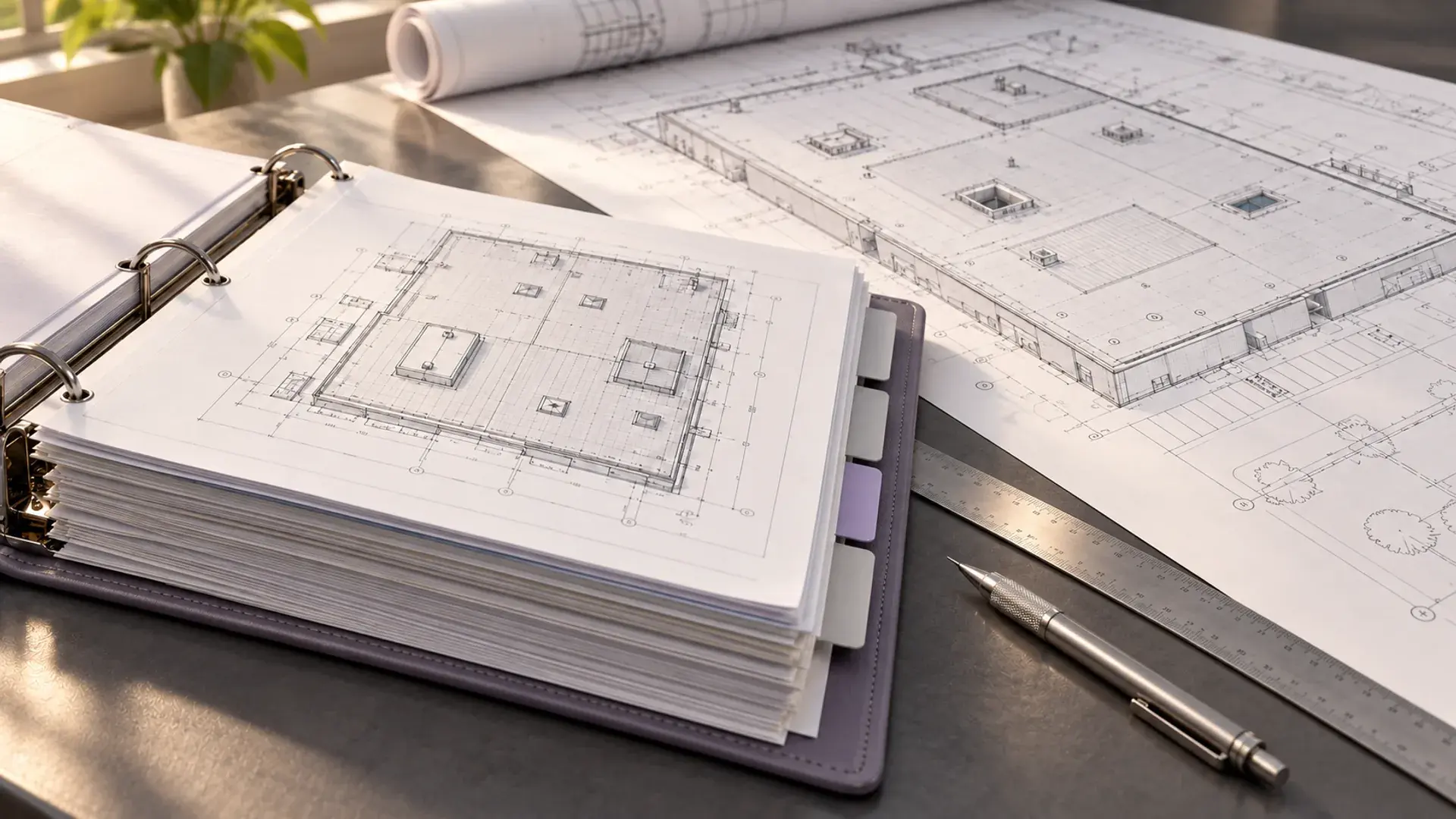
A commercial roofing RFP provides a defined route to a potential contract. The contractor still has to verify scope, deadlines, qualifications, and whether the job deserves estimating time.
Understand RFPs, invitations, and bid notices
A request for proposal may evaluate technical approach, qualifications, schedule, and price rather than selecting solely on the lowest number. An invitation to bid often emphasizes a defined scope and formal pricing requirements. A request for qualifications can be a preliminary step for identifying eligible contractors. Terminology differs by owner and jurisdiction, so read the solicitation instructions instead of relying on the headline.
Roofing invitation to bid notices may also come from general contractors assembling subcontractor proposals for a larger project. Such invitations are not the same as an owner-issued roofing contract. Determine the bidder's role, who issues the contract, and whether the scope is direct roofing work or part of a broader package. That distinction affects insurance, warranty, coordination, and proposal language.
Verify the solicitation's current status
Search the official project source by solicitation number, owner, building name, and location. Confirm that it is still open, identify amendments, and check whether a walkthrough or prequalification deadline has already passed. A third-party listing for commercial roof replacement RFP work may be useful for discovery but should never substitute for the governing documents.
Read the submission method in detail. Owners may require a portal upload, sealed physical package, designated bid form, or electronic signature by a specified time. Time zones matter for contractors working across states. The submission checklist should include required acknowledgments of addenda, alternates, subcontractor declarations, and any other requested certifications.
Where can I find commercial roofing RFPs and how do I know they are open?
Commercial roofing RFP searches usually lead to municipal procurement portals, school and university purchasing pages, plan rooms and general-contractor invitations. A search result snippet or third-party listing can be out of date. Before investing in an estimate, read the current solicitation on the issuer's site and check mandatory pre-bid meetings, registration, bonding, insurance and addenda.
The title may say “facility envelope improvements” even when roofing is an important part of the scope. Review drawings and specifications, not just the notice headline. Confirm whether the procurement seeks a prime contractor, a specialist sub or a consultant. A well-matched project that requires qualifications the firm cannot meet is still a no-bid decision.
While an estimator is working through official RFPs, the sales team can use CapXos for a different search: finding commercial roofs in the territory and researching owners before those buildings enter a formal buying process. The map and Property Snapshots support research and prioritization, not access to confidential tenders or verified open solicitations. Keeping those products separate makes the article useful to both readers looking for an RFP today and readers trying to build next quarter's pipeline.
Do not let the RFP board define your entire sales territory
A published commercial roofing RFP is a valuable opportunity, but it places the contractor into a process already set by the buyer. Its competitors can read the same drawings and deadlines. Alongside RFP monitoring, build a separate list of buildings that could become future direct-owner, property-management or maintenance opportunities. Those accounts may be approached for legitimate assessment work without pretending an RFP already exists.
An RFP is an active procurement event; a commercial building can be a future sales account long before any solicitation exists. Use the official issuer for an open RFP, then explore other commercial roofs in the surrounding market on the CapXos commercial roof map. Property Snapshots may add useful roof or contact details for selected sites. After access is authorized, free Inspect and Takeoff tools can help document actual conditions and measurements. The two workflows serve the same business goal but require different evidence and different conversations.
Build a pre-estimate eligibility screen
Before measuring the roof, verify licenses, registration, bonding capacity, insurance limits, manufacturer approvals, safety qualifications, relevant experience, and any public contracting prerequisites. Not every project requires all of these. The solicitation determines the applicable requirements. A contractor should not spend two days producing a takeoff for a project it cannot legally or contractually bid.
Next examine commercial fit: roof system, tear-off limits, occupied-building constraints, temporary waterproofing, work-hour restrictions, storage, site access, and planned schedule. Some owners require operations to continue during the work. If your crew capacity conflicts with critical dates, the estimating manager needs to know before committing to a price or mobilization plan.
Read scope documents for exclusions and interfaces
The roofing drawings may be only part of the information needed. Check specifications, architectural details, structural notes, HVAC penetrations, drainage work, edge-metal requirements, roof insulation, and temporary protection. Clarify whether owner-furnished materials, hazardous-material surveys, test cuts, or deck repairs are included. Do not assume a roof-area measurement alone defines the complete bid scope.
If documents conflict, use the official question channel by the stated deadline. Record assumptions and confirm how alternates should be priced. Avoid informal representations from unrelated site personnel when procurement instructions require written addenda. An apparently minor ambiguity about deck condition or concealed moisture can materially change the contractor's risk.
Estimate and submit with a controlled review process
Assign responsibility for takeoff, supplier quotes, labor productivity, equipment, safety measures, contingencies, and document review. Require a second check on critical quantities and compliance items. Build a final submission review that separates price accuracy from form completeness. A technically sound proposal can be rejected because a required certificate or signature was omitted.
Keep a version-controlled folder for each roofing RFP opportunity. Store the original notice, current addenda, site notes, drawings, vendor quotes, estimator assumptions, submitted price, and bid receipt. This record helps explain outcomes and makes later discussions with owners or general contractors much more reliable.
Frequently asked questions
How do I find open commercial roof replacement RFPs?
Check current documents from the issuing public agency, institution or general contractor and confirm dates, scope and eligibility. Use property research separately to identify additional commercial roofs that might become future opportunities.
How early should a contractor begin preparing for a commercial roof RFP?
Start when the owner releases usable scope and eligibility information. For a published solicitation, monitor addenda and leave enough time for site access, quantity checks, supplier quotations, internal review, and a compliant submission.
What is the difference between an RFP and a roofing invitation to bid?
The documents can use different evaluation methods and contract roles. Always read the issuer's definitions, response instructions, and selection criteria.
Is a bid-board listing enough to confirm a roof replacement project is open?
No. Confirm status, amendments, eligibility requirements, and deadline with the source agency or authorized project issuer.