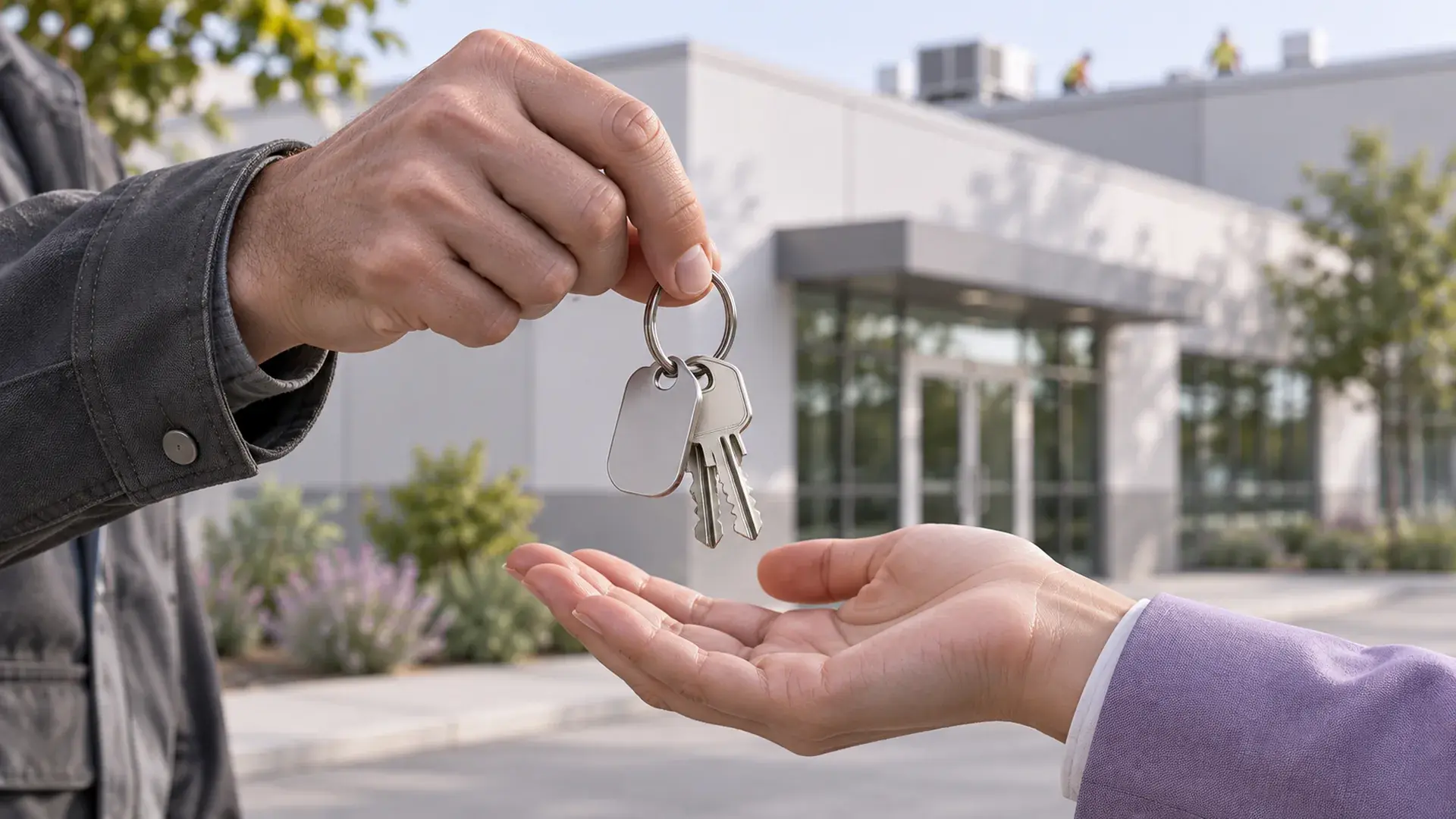
A commercial building sale often triggers a review of operating costs, deferred maintenance and capital needs. Roofing can become part of that conversation because the building envelope affects insurance, occupancy and future expenditures. Yet a sale is only a change in ownership, not proof of damage or an available contract. Commercial property ownership change leads require careful timing and research before any roofing contractor should consider them ready for outreach.
Understand what a transfer can mean for the roof
The new owner may have commissioned a property condition assessment before closing. It may inherit a roof warranty, a service contract and a maintenance record. It might plan renovations after tenant turnover or simply continue operations without immediate changes. For a contractor, the first question is whether the roof is relevant to the owner's next planning cycle, not whether the ownership record can be converted into a sale overnight.
Owner identity can be complex. A deed may name a new limited liability company affiliated with an existing investor; the facilities team may remain unchanged. A management company may take over operations later than the recorded sale. Verify the effective transaction date and the current decision-making chain. Contacting a previous manager with a generic offer can create confusion and waste a useful first impression.
Combine transfer information with roof-specific context
New commercial property owner prospects become more actionable when the building itself fits the contractor's skills. Review the structure, use type, roof geometry, access and available history of roofing work. A recent reroof permit could mean less near-term replacement work, though the new owner may still need documentation or maintenance. Missing records are an uncertainty to investigate, not evidence of failure. Nearby storm history can guide questions about inspections already performed, without justifying a claim of damage.
CapXos can support roof-specific research after a potential change of ownership: locate the building at https://capxos.com/, review the property context available for the address, and note questions for the new facilities team. Confirm the actual sale and ownership through reliable sources outside the map. A newly purchased building may be worth a conversation even when no roof work is currently planned.
Approach the owner at an appropriate stage
The days around closing may be dominated by financing, lease matters and operational handover. A useful approach is to ask who now handles the roof maintenance program and whether there are upcoming assessments or vendor qualification steps. Position the company around its actual expertise: occupied-building repairs, inspection documentation, or replacement planning for the relevant roof system. Avoid implying access to confidential transaction details or suggesting the contractor knows more about the roof than the new owner.
Where the owner is building a capital plan, ask whether existing inspection reports and maintenance records are current. Offer to review a defined roof section or document conditions once authorized. A careful inspection may reveal that no work is required, or that minor maintenance is preferable to replacement. Giving the owner accurate information can establish a durable relationship even without an immediate reroof order.
Track timing and separate research from revenue
A list of recent property sales can produce many false positives: residential properties, internal ownership transfers, buildings outside the service area or sites with long-standing vendor contracts. Screen these out. Maintain status such as ownership not confirmed, manager identified, facilities contact reached, assessment requested and future review scheduled. A contractor can use the same structure to see whether property transfers are genuinely producing work rather than merely producing large lists.
Do new building owners need roof inspections after buying? Some already have a detailed roof-condition report; others inherit incomplete service records. There is no automatic answer. Another practical question is, “How can roofers find recently sold commercial buildings?” Start with reliable transaction or ownership information, verify the current management contact and check whether the purchaser is reviewing maintenance arrangements. A recently transferred property may be a sensible place for an introduction, but the sale does not prove roof damage or a replacement budget. Offer a documented assessment only if the responsible party wants one.
Consider two recently recorded sales in one industrial district. One transfers a building to a new owner who plans an operating renovation; the other transfers title between related entities while the same tenant and facilities contractor remain in place. The first deserves research into actual roof-related scope and buyer contacts. The second may present no near-term opening at all. A careful sales team labels these distinctions and checks the transaction source before calling. This protects the company from sending messages that congratulate a manager on a supposed acquisition that was only an internal legal change.
Build an acquisition follow-up queue
Track newly acquired properties in a separate follow-up queue with sale verification, management contact and the date the ownership team expects to review maintenance. Avoid repeated speculative calls in the first weeks after a transfer. Explore each commercial roof at https://capxos.com/ and request a walkthrough if property research will become a regular business-development task. An authorized inspection can then be documented through Inspect.
Frequently asked questions
Does a change of ownership automatically mean a reroof is planned?
No. Many transfers happen without immediate roof work. It is a possible planning moment that merits verification.
Can I assume a new LLC represents a new facilities team?
No. Ownership entities and management operations can be separate, and an internal restructuring may not change roof maintenance.
What should an outreach message after a sale focus on?
The contractor's relevant service, verification of the responsible manager and an optional assessment tied to the owner's actual needs.