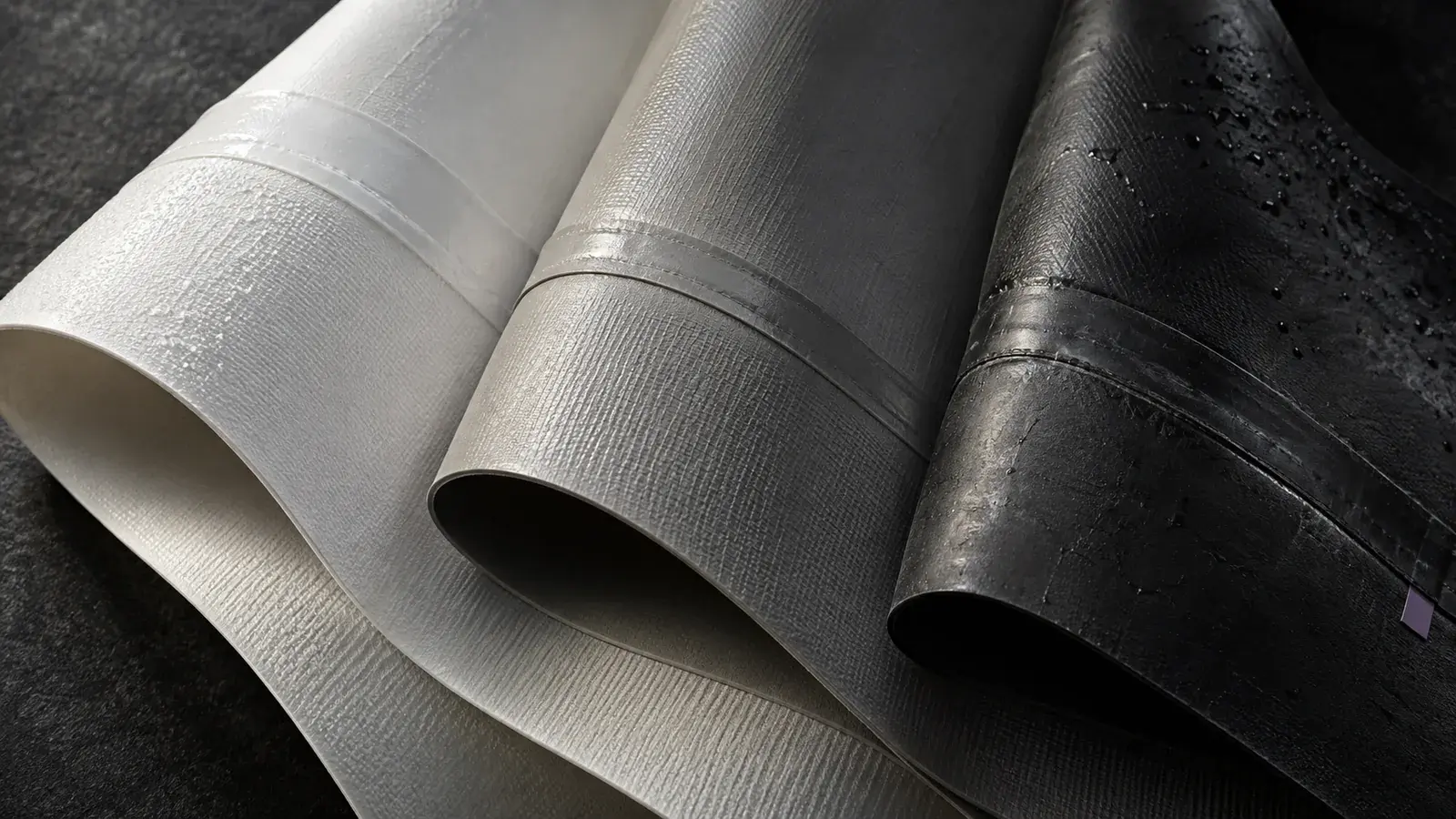
An office roof, a restaurant roof and a distribution center can share roughly the same footprint and still require very different roofing specifications. Before estimating a replacement or planning a service program, a contractor needs to understand the membrane, what is beneath it and how the building is used. TPO, PVC and EPDM are common single-ply options, but they behave differently at seams, around chemicals and during repairs.
Start by identifying the existing assembly
A white membrane viewed from above is not enough to confirm TPO or PVC. Obtain the roof records when possible, inspect accessible details and ask who installed the system. Note membrane thickness, attachment method, insulation configuration, cover board, deck type and whether previous recover work changed the assembly. Look for labels, approved submittals and warranty paperwork.
For a property that has changed owners, building records can provide context. The CapXos commercial roofing map helps contractors research properties before scheduling a visit. Permit history and estimated roof age may help establish a timeline, but neither replaces identification of the actual installed materials.
TPO: heat-welded seams and reflective options
Thermoplastic polyolefin (TPO) is widely used on low-slope commercial buildings. Seams are typically heat-welded, and many products are available in light, reflective colors. Attachment may be mechanically fastened, adhered or specified using other approved methods.
During a survey, pay particular attention to weld quality, perimeter attachment, membrane condition around rooftop units and signs of movement at transitions. Existing repairs may use incompatible materials or leave details that need further investigation.
PVC: a different chemical-resistance profile
Polyvinyl chloride (PVC) is also a thermoplastic membrane with heat-welded seams. Its formulation makes it a consideration where oils, fats or certain chemical exposures are relevant, including some food-service and industrial environments. Actual suitability depends on the specific PVC product and exposure; verify resistance against the manufacturer's documentation.
For a restaurant or food-processing property, inspect exhaust outlets, grease accumulation, roof drains and nearby membrane details. Chemical exposure can be localized, so a generic building category is not enough to settle a specification. Include rooftop equipment operators in the discussion when discharge patterns are uncertain.
A useful GAF comparison of single-ply membranes explains the technical distinction between weldable thermoplastics and EPDM seam systems.
EPDM: rubber membrane with different seam detailing
Ethylene propylene diene monomer (EPDM) is a synthetic rubber, often supplied in black, with some other configurations available. Seams commonly rely on approved adhesive or tape systems rather than the field heat welding used for TPO and PVC.
Inspect splice areas, termination details, punctures, shrinkage or tension around penetrations, and previous patch work. Repairs must use approved materials and preparation procedures suited to the actual EPDM system. A repair method intended for a thermoplastic roof should never be carried over automatically.
Compare the assembly, not just the membrane name
A system decision includes more than TPO vs. EPDM roofing or TPO vs. PVC roofing. For a commercial building, record these items before discussing cost:
- Deck type, its condition and any structural limitations.
- Insulation type, thickness, moisture condition and required thermal performance.
- Cover board, attachment method and local wind-uplift design requirements.
- Drainage, slope, scuppers and areas with recurring standing water.
- Perimeter, parapet, curb and penetration details.
- Roof access, routine foot traffic, service equipment and expected chemical exposure.
- Manufacturer approval, installer qualifications and applicable warranty terms.
Before quantities are priced, document each roof section. CapXos offers free Inspect and Takeoff tools for recording site observations, areas, lengths and counts. Use those measurements as inputs to the estimate, with field verification where imagery or access is limited.
What to ask before recommending replacement
Owners often want a simple ranking of commercial roofing systems. The more useful discussion starts with operating conditions: What has failed? How long does the owner expect to keep the property? Are rooftop tenants or equipment likely to change? Which warranty provisions apply, and who will maintain the roof afterward?
Bring photos of observed deficiencies and a section-by-section quantity record. Ask for existing specifications or warranty records before proposing a different membrane. When the roof is still serviceable, targeted repairs or a maintenance plan may deserve consideration before a complete replacement scope.
Use property data to prepare for the site visit
The value of a commercial roof database is the preparation it supports. Use CapXos to locate the building, review available property intelligence and organize a potential opportunity. Then use the free inspection workflow to attach findings to the actual roof sections. Available details vary by property, and a Property Snapshot may provide additional information where offered.
Frequently asked questions
What is the main difference between TPO and PVC roofing?
Both are thermoplastic single-ply membranes with heat-welded seams. PVC can be considered for certain chemical-exposure conditions, but product-specific resistance and the full roof assembly must be verified.
Is EPDM better than TPO for a commercial building?
Neither system is universally better. Building use, design requirements, attachment, climate, maintenance and manufacturer details determine suitability.
Can a contractor identify the membrane from satellite imagery?
Imagery may suggest roof geometry or visible characteristics, but it cannot reliably confirm the exact membrane formulation or hidden assembly. Check documentation and inspect the roof.
Do all commercial roofs use single-ply membranes?
No. Modified bitumen, built-up roofing, metal and liquid-applied systems are also used. The existing roof must be identified before selecting repair materials.
How does CapXos fit a membrane comparison?
CapXos supports property research, inspection documentation and roof-section takeoff. It does not replace a manufacturer's specification or on-site system verification.